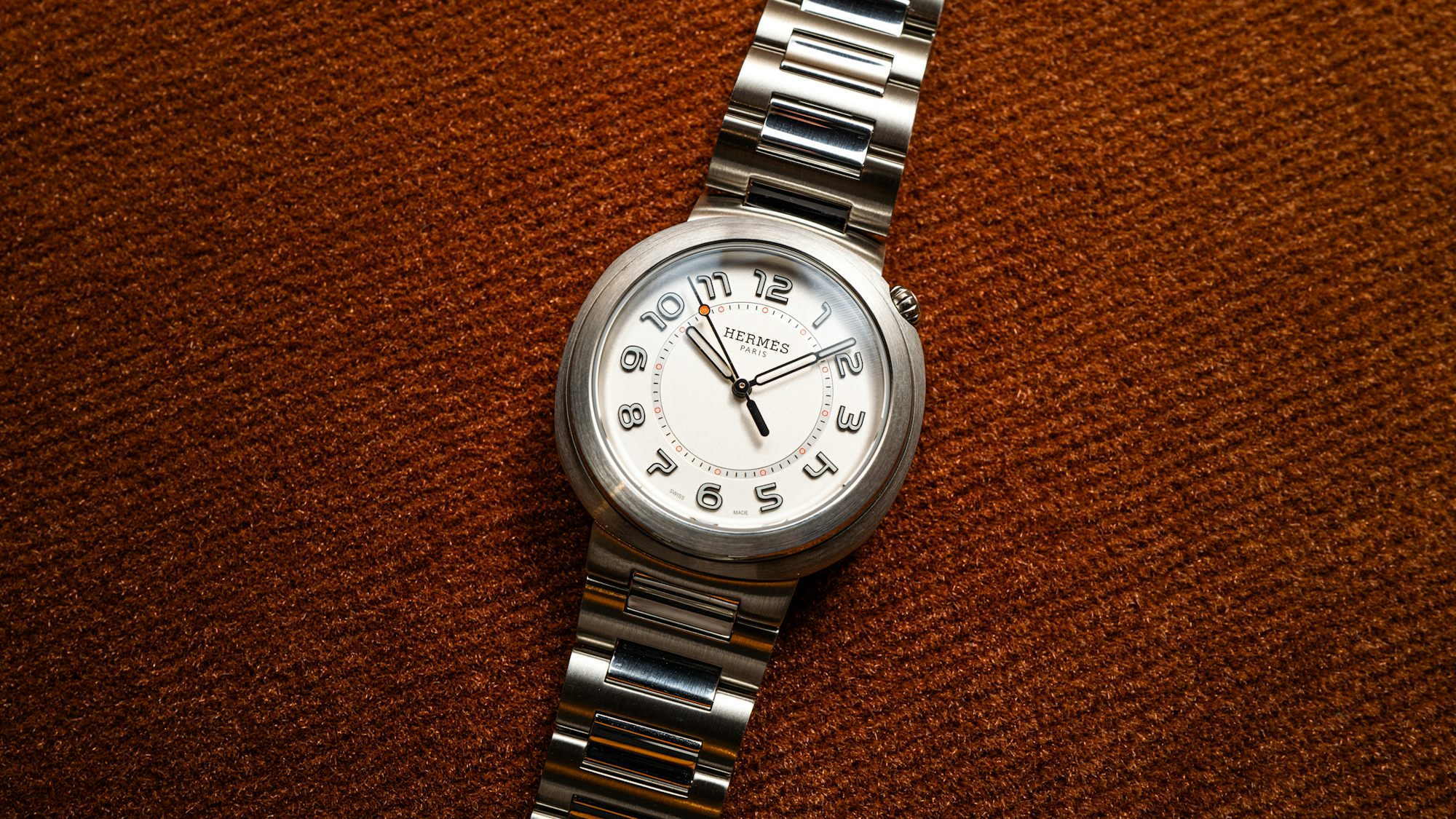
Mechanical watches stand as testaments to human ingenuity, intricate clockwork brought to life through meticulous engineering. Unlike their battery-powered counterparts, these timepieces derive their energy from a mainspring, a tightly coiled ribbon of metal that gradually unwinds, powering a delicate dance of gears, levers, and springs. This inherent complexity and the artistry involved in their creation imbue mechanical watches with a unique charm and enduring value.
Whether you’ve just acquired your first mechanical timepiece or are a seasoned collector, understanding the fundamentals of mechanical watch care is paramount to ensuring its longevity, accuracy, and aesthetic appeal. This comprehensive Mechanical Watch Care Guide will illuminate the essential practices for preserving your cherished timekeeping companion.
The Cornerstones of Mechanical Watch Maintenance
Owning a mechanical watch is an investment, not just financially, but also in time and attention. Unlike quartz watches that require minimal upkeep, mechanical watches necessitate a degree of mindful interaction. Proper mechanical watch maintenance involves a combination of careful daily habits, regular cleaning, mindful storage, and periodic professional servicing. By adhering to these principles, you can safeguard your watch against premature wear and tear, ensuring it continues to function flawlessly and retain its beauty for generations to come.
Daily Rituals: Nurturing Your Mechanical Timepiece
The way you interact with your mechanical watch on a daily basis significantly impacts its well-being. Simple precautions can go a long way in preventing potential damage.
1. Shield from Magnetic Fields
Mechanical movements are susceptible to magnetism, which can interfere with the delicate balance spring and escapement, leading to inaccurate timekeeping. Avoid exposing your watch to strong magnetic fields generated by devices like loudspeakers, televisions, and some electronic gadgets.
2. Guard Against Shocks and Impacts
While robust, mechanical watches are not impervious to sudden shocks. Refrain from wearing your watch during high-impact activities, sports, or strenuous physical labor that could subject it to jarring forces.
3. Minimize Scratches
The case, crystal (the protective covering over the dial), and bracelet of your watch are vulnerable to scratches. Be mindful of abrasive surfaces and avoid contact with other jewelry, such as bracelets and rings, that could cause unsightly marks.
4. Crown Caution
The crown, used for winding and setting the time and date, is a critical component. Exercise caution when operating it, especially on water-resistant models. Ensure it is fully pushed in or screwed down after use to maintain water tightness.
The Art of Winding: Keeping the Heartbeat Alive
A defining characteristic of mechanical watches is the need for manual or automatic winding to keep them running. Understanding how to wind your specific type of mechanical watch is fundamental to its care.
1. Automatic vs. Manual
Automatic watches are designed to wind themselves through the natural motion of your wrist as you wear them. A weighted rotor inside the watch spins with your movement, transferring energy to the mainspring. Manual-wind watches, on the other hand, require you to wind them by hand.
2. How to Wind a Mechanical Watch (Manual)
1. Unscrew the Crown (if applicable): Some water-resistant models have a screw-down crown that needs to be unscrewed before it can be pulled out for winding or setting. Turn it counter-clockwise until it disengages.
2. Wind Slowly and Steadily: Gently turn the crown clockwise between your thumb and forefinger. You will feel a slight resistance as the mainspring tightens.
3. Stop at Resistance: Continue winding until you feel a firm resistance. This indicates that the mainspring is fully wound. Avoid forcing the crown further, as over-winding can put excessive stress on the internal components and potentially cause damage.
4. Screw Down the Crown (if applicable): Once winding is complete, push the crown back in and screw it down clockwise until it is snug. This is crucial for maintaining water resistance.
3. Tips for Winding
1. Establish a Routine: Winding your manual watch at the same time each day helps maintain a consistent power reserve and optimal accuracy.
2. Watch Winders for Automatics: If you don’t wear your automatic watch daily, a watch winder can be a useful accessory. It gently rotates the watch, mimicking wrist movement and keeping it wound. This prevents the oils within the movement from settling and the watch from stopping, which can sometimes lead to condensation buildup.
Maintaining Brilliance: Cleaning Your Mechanical Watch
Just like any frequently used item, your mechanical watch will accumulate dust, dirt, and fingerprints over time. Regular cleaning a mechanical watch is essential to maintain its aesthetic appeal and prevent debris from potentially entering the movement.
1. Safe Home Cleaning
1. Microfiber Cloth: Use a soft, lint-free microfiber cloth to gently wipe the case, crystal, and bracelet of your watch. This will remove surface smudges and dust.
2. Soft Brush: For more stubborn dirt or grime, a soft-bristled brush (like a soft toothbrush) can be used. Gently brush the crevices of the case and bracelet.
3. Damp Cloth (Water-Resistant Models Only): For watches with a water resistance rating of 5 ATM or higher, you can lightly dampen the microfiber cloth with distilled water to wipe away more persistent dirt. Ensure the crown is fully pushed in or screwed down.
2. Things to Avoid
1. Soaps and Harsh Chemicals: Never use soaps, detergents, or other harsh chemicals to clean your watch, as they can damage the metal, plating, or seals.
2. Immersing Non-Water-Resistant Watches: Keep your watches like
mens watches uk away from water if they lack a proper water resistance rating! Even a tiny bit of moisture can seriously harm their intricate inner workings.
3. Pro Tip: Consider scheduling a professional cleaning every 1–2 years. Watchmakers have specialized tools and cleaning solutions for a more thorough cleaning that can reach areas you can’t access at home. This is particularly important for maintaining a luxury watch, where preserving its pristine condition is paramount. This professional mechanical watch cleaning guide ensures a deep clean without risking damage.
Navigating the Depths: Understanding Water Resistance
Water resistance is a crucial factor to consider for the longevity of your mechanical watch. However, it’s essential to understand the ratings and their limitations.
1. Understanding Ratings
3 ATM (30 meters): Suitable for light splashes, such as hand washing or rain. Not suitable for swimming or showering.
5 ATM (50 meters): Suitable for hand washing, splashes, and brief immersion in water. Not suitable for swimming or diving.
10 ATM (100 meters): Suitable for swimming, showering, and snorkeling. Not suitable for scuba diving.
20 ATM (200 meters) and above: Suitable for scuba diving.
2. Important Tips
1. Never Operate the Crown Under Water: Pressing buttons or pulling out the crown while the watch is wet can compromise the seals and allow water to enter the case.
2. Regularly Check Seals and Gaskets: The rubber or synthetic seals and gaskets that provide water resistance can degrade over time due to age and environmental factors. Have them inspected and replaced during regular servicing.
3. Avoid Rapid Temperature Changes: Exposing your watch to sudden and extreme temperature changes, such as going from a cold environment into a hot shower, can cause condensation to form inside the case, even in water-resistant models.
4. Moisture Warning: If you notice any fogging or condensation under the crystal, it indicates that moisture has entered the watch. This needs immediate attention from a qualified watchmaker to prevent rust and further damage to the movement. Ignoring this sign can lead to costlier repairs down the line.
Safe Havens: Storing Your Mechanical Watch
When your mechanical watch is not adorning your wrist, proper storing mechanical watches is vital to protect it from damage and the elements.
1. Ideal Storage Solutions
1. Watch Boxes and Cases: Dedicated watch boxes, rolls, or pouches provide a safe environment, shielding your timepiece from dust, scratches, and accidental bumps.
2. Watch Winders (for Automatics): As mentioned earlier, watch winders are beneficial for automatic watches that are not worn regularly, keeping them wound and ready to go.
2. Things to Avoid
Avoid storing your watch near strong magnetic fields generated by speakers, electronic devices, or transformers.
3. Climate Considerations
Store your watch in a cool, dry place. Extreme temperatures and humidity can negatively impact the delicate components and lubricants within the movement, potentially leading to rust or condensation.
Professional Attention: Servicing and Inspection
Just like any precision machine, your mechanical watch requires periodic professional servicing to ensure its optimal performance and longevity.
1. Service Frequency
The recommended mechanical watch service interval is typically every 3 to 5 years, although this can vary depending on the specific model and the manufacturer’s recommendations. Maintaining a luxury watch often involves adhering to these service intervals meticulously to preserve its value and functionality.
2. Warning Signs That Indicate a Need for Service
1. Losing or Gaining Significant Time: A noticeable deviation from accurate timekeeping is a strong indicator that the movement needs attention.
2. Visible Moisture (Fogging): As mentioned before, any sign of moisture inside the watch case requires immediate professional intervention.
3. Shortened Power Reserve: If your automatic watch stops running much sooner than it used to after being fully wound (or worn), it could indicate issues with the mainspring or other components.
4. Unusual Noises: Strange ticking sounds or other unusual noises emanating from the watch can signal a problem within the movement.
3. Servicing Tips
Choose Certified Professionals: Always entrust your mechanical timepiece care to certified or authorized watchmakers, especially for high-end or luxury mechanical watches from brands like Rolex, Omega, Patek Philippe, Vacheron Constantin, Tag Heuer, and Longines. These professionals have the specialized knowledge, tools, and genuine parts necessary to properly service your watch. This level of care is distinct from the maintenance required for fashion-forward pieces like
Ted Baker ladies watches, which may have different servicing needs.
The Traveling Timekeeper: Precautions on the Go
Traveling with your mechanical watch requires extra care to ensure its safety and prevent damage.
1. Travel Tips
1. Carry-On Only: Always keep your watch in your carry-on luggage. Checked baggage is subject to rough handling and extreme temperatures.
2. Padded Travel Cases: Invest in a padded watch travel case to provide secure protection during transit.
3. Minimize Magnetic Exposure: Be mindful of airport security scanners and try to avoid prolonged exposure to strong magnetic fields. While most airport scanners are generally safe for mechanical watches, it’s best to exercise caution.
2. Handling Your Watch
1. Clean Hands: Always handle your watch with clean, dry hands to prevent the transfer of dirt and oils.
2. Dial-Up Placement: When removing your watch, place it dial-up on a soft, clean surface to protect the crystal.
Avoiding Pitfalls: Common Mistakes in Mechanical Watch Care
Several common mistakes can inadvertently harm your mechanical watch. Being aware of these pitfalls is crucial for proper mechanical wristwatch upkeep.
1. Over-winding
Forcing the crown after the mainspring is fully wound can put excessive strain on the delicate components and potentially damage them. Stop winding as soon as you feel resistance.
2. Incorrect Date Setting
Avoid setting the date on your mechanical watch between approximately 9 PM and 3 AM. During this time, the date mechanism is typically engaged, and manually forcing a change can damage the intricate gears.
3. Ignoring Warning Signs
Don’t brush aside warning signs like fogging, strange sounds, or noticeable timekeeping errors in your
gold Armani watch. As previously noted, neglecting these issues can result in more significant and expensive repairs later on. Take care of them promptly.
Conclusion
This Mechanical Watch Care Guide has outlined the essential practices for ensuring the longevity and performance of your cherished mechanical timepiece. From the daily rituals of wear and the delicate art of winding to the importance of regular cleaning, mindful storage, and professional servicing, each aspect of mechanical watch maintenance plays a vital role in preserving its intricate beauty and functionality.
By treating your mechanical watch with the respect and attention it deserves, you are not just maintaining a timekeeping instrument; you are preserving a piece of horological artistry, a testament to enduring craftsmanship that can be enjoyed for generations, becoming a true heirloom that reflects elegance and timeless engineering. Cherish your mechanical marvel – it’s more than just a tool; it’s a legacy on your wrist.